Hypoallergenic Carpet: A Guide to Allergy-Friendly Flooring
Sep 18, 2025 | Carpet One Floor & Home
Key Takeaways
- Low-pile carpet, easy-to-clean fibers, low-VOC products, and regular maintenance can help reduce the buildup of dust and other allergens in your home.
- Wool, nylon, and other synthetic fibers can each make sense for allergy-conscious homes, depending on your room, lifestyle, budget, and cleaning needs.
Carpet adds warmth, comfort, and style to any home, but if you or someone in your household has allergies or asthma, choosing the right carpet can feel like a big decision. Dust, pollen, pet dander, and moisture can all contribute to indoor allergens, while concerns about new carpet odors and VOCs may make you wonder whether carpet is the right choice at all.
So, what makes a carpet hypoallergenic? Which carpet fibers are best for homeowners with allergies? And what should you look for when shopping for an allergy-friendly carpet or rug? As your dedicated flooring experts, we're here to help you find the perfect fit for your home. Let's take a look at which carpet fibers, styles, and features can help create a more allergy-friendly home.
What Does "Hypoallergenic" Mean for Carpet?
The term hypoallergenic doesn’t mean a carpet is completely free of allergens or will prevent allergy symptoms. Instead, it refers to materials and designs that make it harder for common irritants to collect and stick around.
Carpet can hold particles such as dust, pollen, and pet dander. When carpet is cleaned regularly, those particles can be removed with effective vacuuming and professional cleaning. The key is choosing a carpet that is practical to maintain and keeping the flooring dry and clean.
For homeowners with allergies, look for carpet with:
- Low-pile construction that is easier to vacuum thoroughly
- Tightly constructed fibers that leave fewer places for dust and dander to settle
- Moisture-resistant properties that help discourage mold and mildew
- Low-VOC carpet, cushion, and adhesives to support better indoor air quality
- Easy-care fibers that can handle frequent vacuuming and cleaning
- Relevant third-party certifications that verify product performance or emissions
What Are the Best Hypoallergenic Carpet Fibers?
The fiber you choose plays an important role in how your carpet performs. Wool, nylon, polyester, triexta, and olefin each offer different combinations of comfort, durability, moisture resistance, maintenance, and cost.
Wool Carpet: Natural Comfort With Allergy-Friendly Properties
Wool is a natural fiber known for its softness, durability, and ability to regulate moisture. Its natural structure can make it a good option for homeowners who want a premium carpet with allergy-conscious properties.
Wool fibers can help manage airborne particles and are naturally resistant to some types of bacteria, mold, and mildew. Keeping the carpet dry is still important, especially in rooms with higher humidity.
Wool can be a particularly appealing choice for bedrooms, living rooms, and other spaces where comfort and natural materials are priorities. It's also important to follow the manufacturer's cleaning recommendations, since wool generally requires more specialized care than many synthetic carpet fibers.
Nylon Carpet: Practical for Busy Homes
Nylon carpets are a popular option for active households because they combine durability, resilience, and relatively easy maintenance. Nylon can handle repeated foot traffic and regular vacuuming, making it a practical choice for hallways, stairs, family rooms, and other high-traffic spaces.
For allergy-sensitive homes, a low-pile nylon carpet can be especially convenient because shorter fibers are easier to vacuum thoroughly. Nylon's resistance to moisture and mildew can also be helpful when paired with good moisture control and regular cleaning.
If you have children or pets, nylon gives you the flexibility to prioritize durability without giving up the comfort and warmth that make carpet appealing.
Polyester and Triexta: Comfortable, Easy-Care Options
Other synthetic fibers, including polyester and triexta, can also work well in allergy-conscious homes. These fibers are available in a wide range of colours, textures, and styles, giving you plenty of design flexibility.
Many polyester and triexta carpets are naturally resistant to certain stains, which can make routine care easier. That can be especially helpful in bedrooms, playrooms, and family spaces where spills and everyday messes are part of life.
When comparing synthetic carpet fibers, look beyond the fiber name. Pay attention to pile height, construction, stain resistance, emissions certifications, and the manufacturer's cleaning recommendations.
Olefin and Polypropylene: Moisture Resistance for Specific Spaces
Olefin, also known as polypropylene, is naturally resistant to moisture and mildew, making it a useful option for certain rooms and applications.
Because olefin does not have the same resilience as nylon, it may be better suited to spaces where extreme durability is not the primary concern. Its moisture resistance and budget-friendly price point can make it worth considering for specific areas of the home.
Why Low-Pile Carpet Can Be a Smart Choice for Allergies
When you're shopping for allergy-friendly carpet, pile height matters.
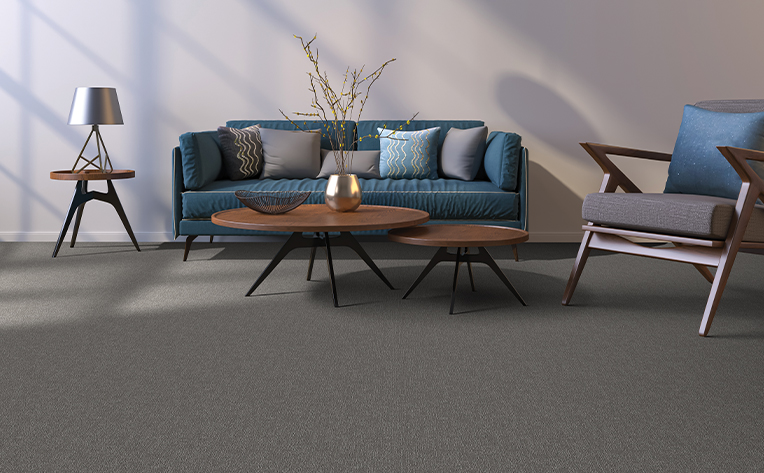
Low-pile carpet has shorter fibers, which generally makes it easier to vacuum and maintain than deep, high-pile styles. Shorter fibers can also leave fewer places for dust, pollen, and pet dander to settle deeply into the carpet.
That doesn't mean high-pile carpet is automatically a poor choice. Plush and textured carpets can add softness and visual interest to bedrooms and other spaces. The right choice depends on how you use the room and how comfortable you are with the required maintenance.
For an allergy-sensitive household, however, low-pile or low-profile carpet is often worth considering because cleaning is simpler and more consistent.
When evaluating carpet samples, look for:
- Short or moderate pile height
- Dense, tightly constructed fibers
- A surface that is easy to vacuum
- Stain-resistant properties when appropriate for your household
- Manufacturer-recommended cleaning methods you can realistically follow
How Do VOCs Affect Carpet Choices?
VOCs, or volatile organic compounds, are chemicals that can be released into indoor air from certain building and household products. New carpet systems can emit VOCs, including emissions associated with carpet, cushion, and adhesives.
For shoppers concerned about indoor air quality, look for products certified through programs designed to evaluate emissions. These certifications can give you more information than simply choosing a product marketed as "hypoallergenic."
Don't Forget Hypoallergenic Carpet Padding
Choosing the carpet is only part of the equation. Carpet padding is another component to consider when you're focused on indoor air quality and allergen management. Look for padding that is compatible with your carpet and has appropriate low-emission credentials when available.
Your flooring professional can help you select a cushion that works with the carpet's construction, room, and installation requirements.
What About Hypoallergenic Rugs?
Carpet isn't the only place where allergy-conscious shoppers should pay attention to materials and construction. Hypoallergenic rugs can add warmth and personality to hard-surface flooring while giving you another opportunity to choose easy-care materials.
When shopping for an allergy-friendly rug, consider:
- Low-pile or flatweave construction: These styles are generally easier to vacuum and clean.
- Tightly woven materials: A compact construction can help minimize areas where dust and debris settle.
- Washable rugs: Machine-washable options can make regular cleaning more convenient when the manufacturer's care instructions allow it.
- Synthetic fibers: Polyester and polypropylene are common options that offer moisture resistance and easy-care properties.
- Non-shedding construction: Look for rugs designed to minimize loose fibers.
- Appropriate backing: Choose a backing that works with your flooring and helps prevent moisture from becoming trapped underneath.
A low-pile washable rug can be particularly useful in entryways, playrooms, bedrooms, and other spaces where dust, pollen, and pet dander tend to accumulate.
How to Clean Carpet When Someone Has Allergies
Even the most allergy-friendly carpet needs consistent care. In fact, maintenance may be just as important as the carpet you choose.
Try these habits to keep your carpet fresh:
- Vacuum regularly: Use a quality vacuum with an effective filter, especially in bedrooms, entryways, hallways, and other high-traffic areas. If someone is sensitive to allergens, consider having them leave the room while you vacuum.
- Keep carpet dry: Clean up spills quickly and make sure carpet dries completely after cleaning. This is especially important in humid areas where excess moisture can encourage mold growth.
- Deep clean regularly: Follow the manufacturer's cleaning recommendations and consider professional cleaning when needed to remove deeper dirt and allergens and help maintain your carpet's warranty.
- Stay on top of pet dander: Regularly groom pets and clean areas where they spend time to help reduce hair and dander. Place mats at entrances to help keep outdoor dirt and pollen off your carpet.
Questions to Consider When Choosing Hypoallergenic Carpet
There is no one-size-fits-all answer when it comes to allergy-friendly flooring. The right carpet depends on your household, the room, your budget, and the type of maintenance you are comfortable with.
Use these questions as a starting point:
- Do you have pets? Look for durable, easy-to-clean fibers and a construction that can handle frequent vacuuming.
- Is the room high traffic? A resilient fiber such as nylon may make sense for stairs, hallways, and busy family rooms.
- Is indoor air quality a priority? Look for low-VOC carpet, cushion, and adhesives, including products with certifications such as Green Label Plus.
- Do you live in a humid area? Focus on moisture management and avoid allowing carpet or padding to remain damp.
- Do you prefer natural materials? Wool can provide natural comfort and performance characteristics that appeal to many allergy-conscious homeowners.
- Are you looking for a budget-friendly option? Synthetic fibers offer a wide range of price points, styles, and performance features.
- Do you want the easiest possible maintenance? Consider low-pile carpet or washable, low-pile area rugs that make routine cleaning straightforward.
Get Started Creating a Comfortable, Allergy-Conscious Home
Choosing flooring when someone in your household has allergies or asthma can feel overwhelming, but finding the right carpet starts with understanding what works best for your home. From low-pile nylon and other synthetic fibers to naturally comfortable wool, today's carpets offer a range of ways to balance comfort, style, durability, and maintenance.
If you're not sure where to start, we're here to help. Our team can guide you through carpet samples, help you compare fibers and styles, and recommend options that fit your rooms, lifestyle, and budget. Don't wait to contact us today to get expert guidance and find an allergy-friendly flooring option that's the perfect fit for your home.